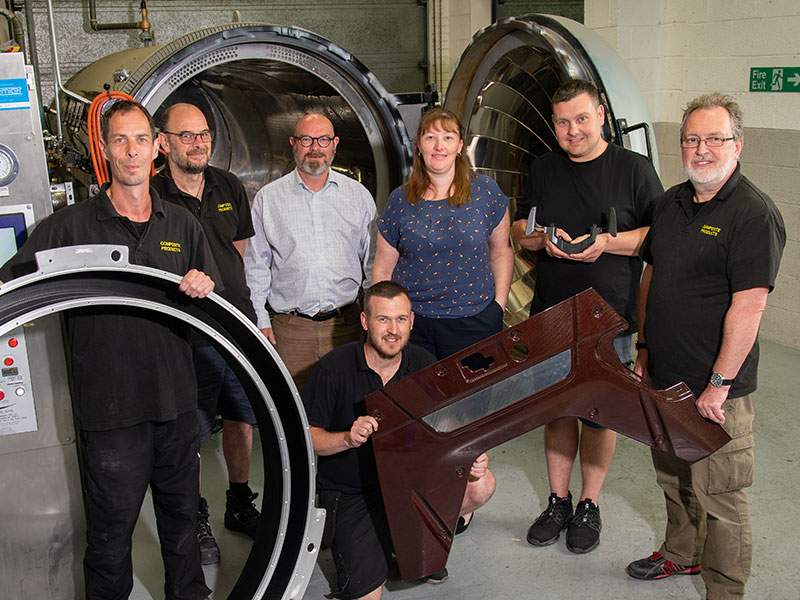
With a focus on inspiring composite innovation, we bring ideas to life by designing and manufacturing revolutionary products using composites.
Product Development
Developing a new composite product requires careful decisions about design, materials, tooling and manufacture. Our experienced team provides practical composite product development support, helping you progress from an early concept or existing design through to a production-ready component.
Our decades of composite manufacturing experience allow us to assess ideas from both a technical and practical perspective. We can help refine your design, identify suitable materials and processes, consider tooling requirements and prepare the product for reliable manufacture.
This early manufacturing input can help identify potential complications before tooling or production begins.
How does product development work?
You retain ownership of the product vision while our team helps establish a practical route towards manufacture. Where required, we can work under a non-disclosure agreement and collaborate with your designers, engineers or internal product team.
Support can include design-for-manufacture advice, material selection, CAD input, process recommendations, prototype development and planning for repeat production.
Why is skilled development key?
Early development decisions affect the performance, cost and manufacturability of the finished product. Reviewing the design before tooling and production begin can reduce the risk of avoidable revisions later in the project.
We help ensure that each component is sufficiently detailed, technically appropriate and suitable for the chosen composite manufacturing process.
The Process
At Composite Products we offer a complete service from product design advise, through to tooling and manufacture. Here are the main process stages and we’re happy to support you at one stage or several.
First, we get to know you, your product and your needs. Then, we suggest smart solutions to progress your product. Once we’re aligned, we confirm costs, timings and responsibilities whilst communication flows regularly. This collaborative approach ensures your composite tooling solution is aligned with both technical and commercial objectives.
Our experienced team has the knowledge and skills to assist and advise in bringing designs to manufacture. From ergonomic details to aesthetics, we support ideas to design ready for manufacture. We’ll continuously advise ways to get the very best results. Our composite tooling design advice ensures every tool is optimised for accuracy, repeatability, and ease of manufacture.
With detailed design information in hand, your bespoke tool can be made from a material of your choosing (we can recommend) to support all future production runs, to act as a template to ensure the time, love and energy put into the product so far is maintained. This includes high-performance carbon fibre tools and carbon tooling solutions developed to meet demanding tolerance and surface finish requirements.
If you need support on part component manufacturing you need to know your trusted partner will deliver to spec, time and cost. Our diverse experience means we can support and advise you on the best mould process to get you from A to B on time and on budget. Our composites tooling expertise allows us to recommend the most efficient moulding techniques for your application.
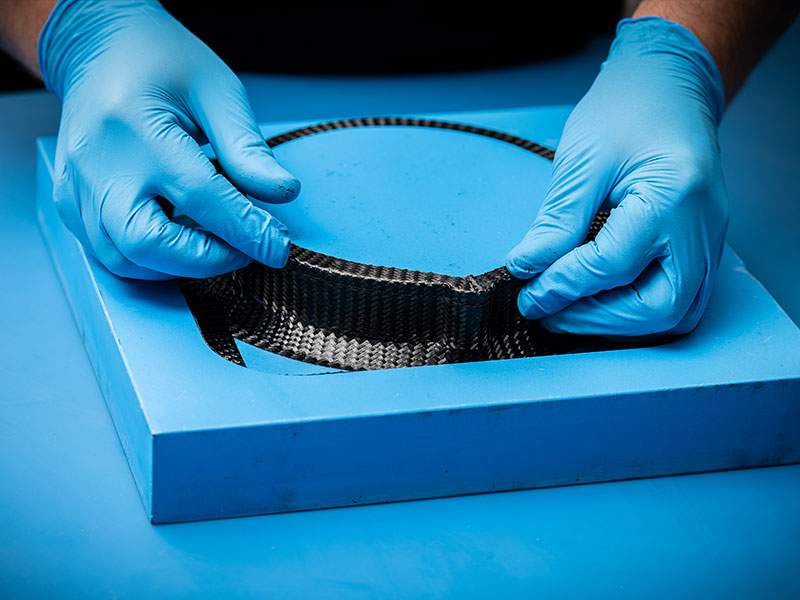
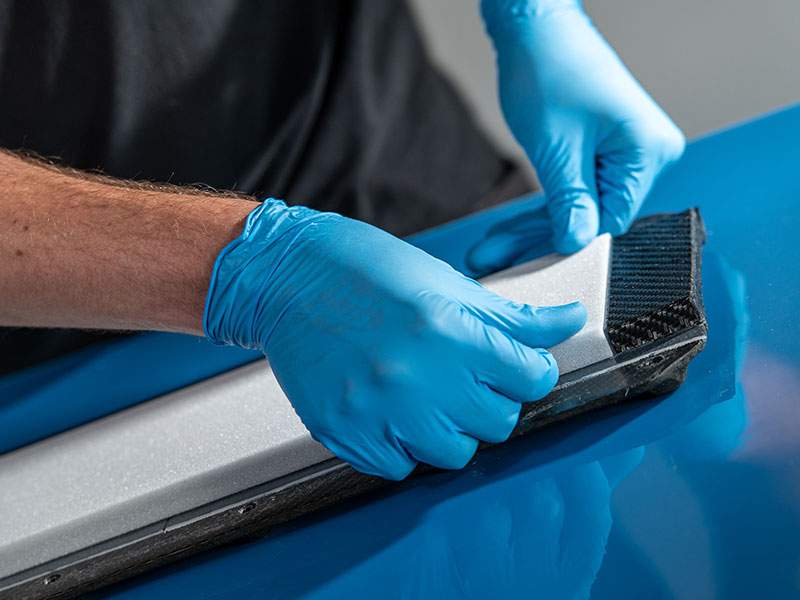
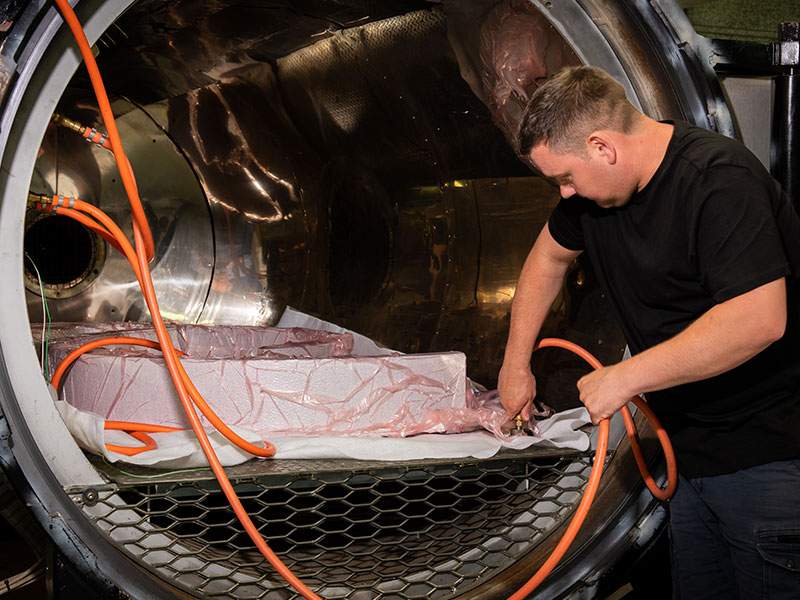
This process involves several stages from kit cutting to laminating, autoclave curing, followed by hand trimming, fitting, assembly & important quality inspection. Fully traceable throughout the process you can have a top-level view of everything. Our tooling supports high-quality manufacturing across a range of sectors, including aerospace composite tooling & other performance-critical industries.
Confident that your product meets your brief, you’re ready to construct your complete product or go straight to market. We don’t like to say goodbye at this stage but instead, see you soon as we believe in long-term partnerships. Many clients return to us as their preferred composite tooling partner for future programmes.
Talk
First, we get to know you, your product and your needs. Then, we suggest smart solutions to progress your product. Once we’re aligned, we confirm costs, timings and responsibilities whilst communication flows regularly. This collaborative approach ensures your composite tooling solution is aligned with both technical and commercial objectives.
Design
Our experienced team has the knowledge and skills to assist and advise in bringing designs to manufacture. From ergonomic details to aesthetics, we support ideas to design ready for manufacture. We’ll continuously advise ways to get the very best results. Our composite tooling design advice ensures every tool is optimised for accuracy, repeatability, and ease of manufacture.
Tool
With detailed design information in hand, your bespoke tool can be made from a material of your choosing (we can recommend) to support all future production runs, to act as a template to ensure the time, love and energy put into the product so far is maintained. This includes high-performance carbon fibre tools and carbon tooling solutions developed to meet demanding tolerance and surface finish requirements.
Components
If you need support on part component manufacturing you need to know your trusted partner will deliver to spec, time and cost. Our diverse experience means we can support and advise you on the best mould process to get you from A to B on time and on budget. Our composites tooling expertise allows us to recommend the most efficient moulding techniques for your application.
Make
This process involves several stages from kit cutting to laminating, autoclave curing, followed by hand trimming, fitting, assembly & important quality inspection. Fully traceable throughout the process you can have a top-level view of everything. Our tooling supports high-quality manufacturing across a range of sectors, including aerospace composite tooling & other performance-critical industries.
Supply
Confident that your product meets your brief, you’re ready to construct your complete product or go straight to market. We don’t like to say goodbye at this stage but instead, see you soon as we believe in long-term partnerships. Many clients return to us as their preferred composite tooling partner for future programmes.
What is composite product development?
Composite product development is the process of turning an initial idea or existing design into a component that can be manufactured reliably. It can include design review, material selection, CAD input, tooling decisions, prototyping and production planning.
Can you help develop a product from an early-stage concept?
Yes. We can review sketches, drawings, CAD data or technical requirements and advise on the practical steps needed to develop the idea for composite manufacture.
Do I need a completed design before contacting you?
No. You can contact us during the early development stage or once detailed designs are available. The information required will depend on the product, its intended use and the support you need.
Can you work under a non-disclosure agreement?
Yes. Where commercially sensitive information is involved, an appropriate non-disclosure agreement can be put in place before detailed project information is shared.
Can you produce prototypes and repeat components?
Yes. Depending on the project, we can support prototype manufacture, design refinement and subsequent repeat production.
We use cookies to ensure that we give you the best experience on our website. If you continue to use this site we will assume that you are happy with it.